


Tribe XR: Learning, Performing and Building the Future of DJing in Virtual Reality
Image
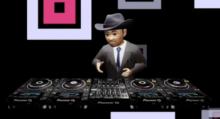
Tribe XR is one of the clearest examples of virtual reality moving beyond entertainment and becoming a practical creative tool.
Rather than treating DJing as a game, Tribe XR recreates the experience of learning and performing on professional club equipment inside a virtual environment. Users can practise mixing, attend live workshops, meet other DJs and perform online—without needing to own an expensive physical setup.
From virtual DJ school to creative platform
Tribe XR began with a straightforward mission: make professional DJ education more accessible.
The platform allows beginners and experienced DJs to learn, practise and perform using realistic virtual equipment. It is available through Meta Quest, PC VR and Windows desktop mode, meaning a VR headset is not always required.
A major milestone came in 2021, when Tribe XR partnered with AlphaTheta’s Pioneer DJ brand. This brought officially represented Pioneer DJ equipment into the virtual environment, giving users the opportunity to familiarise themselves with layouts and workflows similar to those found in professional DJ booths.
This is important because the cost of buying or regularly accessing club-standard equipment can be a significant obstacle for new DJs. Tribe XR reduces that barrier by transforming a headset or computer into a virtual practice room.
Learning through experience
Traditional DJ education often relies on video tutorials. Tribe XR takes a more practical approach by placing the learner directly in front of virtual decks and a mixer.
Its educational environment includes:
Interactive lessons and guided practice
Regular live workshops
Access to mentors and experienced DJs
Multiplayer sessions
Community events and open-deck opportunities
Practice on realistic virtual DJ equipment
This makes Tribe XR more than a software simulator. It functions as a social learning environment where users can develop skills, receive feedback and build confidence before performing in public.
Music libraries and streaming
Tribe XR allows DJs to load their own music and supports several modern library workflows.
Its documentation includes options for importing Rekordbox information, including playlists and performance data. It also offers connections to services such as Beatport and SoundCloud Go+, while Dropbox can be used in parts of the track-import workflow.
These integrations help connect virtual practice with a DJ’s existing music collection. Instead of rebuilding every playlist inside a separate application, users can bring elements of their established preparation process into the virtual environment.
There are still practical limitations. Streaming tracks may need to be analysed when loaded, and compatibility can vary between services and platform versions. Tribe XR should therefore be seen as a developing creative ecosystem rather than a complete replacement for every professional DJ workflow.
Performance, visuals and streaming
Tribe XR is not limited to private lessons.
DJs can enter multiplayer rooms, perform for other users and create content for external platforms. The software supports spectator-camera and recording workflows, while PC VR users can connect visual tools such as Resolume through NDI and OSC.
This creates possibilities beyond simple DJ practice:
Livestreamed DJ performances
Virtual back-to-back sets
Online workshops and demonstrations
Branded virtual showcases
Hybrid physical and digital events
Experimental XR club nights
A DJ inside Tribe XR can therefore become part performer, part broadcaster and part virtual-stage designer.
Can Tribe XR help shape future nightlife?
The traditional nightclub is unlikely to disappear, but physical venues may increasingly be combined with digital participation.
A future event could include a live audience inside a venue and a second audience entering through VR. Remote DJs might appear on virtual stages, while interactive visuals and digital environments react to the music.
Tribe XR already demonstrates several elements of this future: virtual equipment, social rooms, remote performance, visual integration and community-led education.
However, it is not yet a complete virtual-venue operating system. Large commercial events would still require careful planning around platform reliability, audience capacity, moderation, audio quality and rights management.
Its strongest role today is as a bridge between learning, rehearsal, community and early immersive performance.
The unresolved issue: music licensing in XR
Technology is developing more quickly than the licensing systems around it.
A conventional event in a UK venue normally operates within established public-performance licensing structures. A livestream may require a different rights arrangement, while combining recorded music with persistent visual content can introduce additional questions around synchronisation rights.
An XR event could involve several uses at the same time:
Music played to a physical audience
Music transmitted to a remote audience
Interactive participation inside a virtual world
Branded visual environments
Recording and replay after the event
Audiences joining from multiple countries
There is currently no widely understood, single “XR nightclub licence” covering every part of this model. The relevant rights have not disappeared, but the route through them remains fragmented.
That uncertainty could become one of the greatest obstacles to the commercial development of virtual and hybrid nightlife.
Conclusion
Tribe XR matters because it shows that immersive DJing is no longer only an idea.
It already provides realistic equipment simulation, structured education, multiplayer participation, streaming tools and visual-performance options. For new DJs, it lowers the cost of learning. For experienced performers, it provides a space to practise, experiment and reach audiences in new ways.
The next stage will depend on more than better headsets or more realistic graphics. It will require reliable event infrastructure and clearer licensing arrangements for immersive performances.
Tribe XR may not yet represent the finished nightclub of the future but it is already helping to build the path towards it.
Published on
-- Category --:
Articles
-@ @Threads @-:
@TribeXR -
@AlphaTheta
-- Tags --:
DJGear -
DJTechnology -
ProAudio -
ClubDJ -
DigitalDJing -
DJLife -
DJSetup -
DJTips -
GearReview -
DJComparison -
ClubCulture -
Tribe XR -
Virtual Reality DJing -
XR Music -
DJ Education -
Virtual Nightlife -
Immersive Events -
Pioneer DJ -
AlphaTheta -
Music Technology -
Music licensing -
Hybrid Events -
Future of Nightclubs
-# Hashtag #-:
#DJGear -
#DJTechnology -
#ProAudio -
#ClubDJ -
#DigitalDJing -
#DJLife -
#DJSetup -
#DJTips -
#GearReview -
#DJComparison -
#ClubCulture -
#TribeXR -
#VirtualReality -
#XR -
#VRD -
J #DJEducation -
#VirtualNightlife -
#ImmersiveMusic -
#AlphaTheta -
#PioneerDJ -
#HybridEvents -
#MusicLicensing -
#FutureOfNightlife