

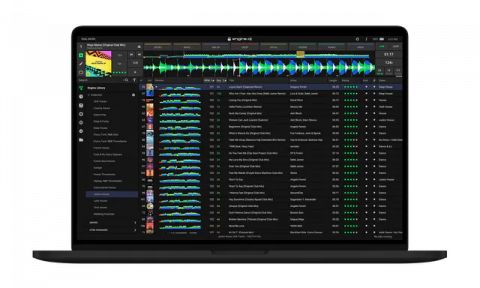
Engine DJ has quietly become one of the most important DJ platforms of the last few years not because it’s trying to replace “classic laptop DJing”, but because it’s built around a different idea: your DJ system should be able to perform without being tethered to a computer.
At its core, Engine is a two-part platform:
- Engine DJ Desktop (Mac/Windows) for music library preparation
- Engine DJ OS running directly on supported stand alone hardware
That structure matters because it shifts the performance workload away from a laptop and into the device itself. You prepare your library at home, export/sync it, and then show up to play with far fewer moving parts.
The Engine DJ story (why it exists)
Engine DJ grew out of Denon DJ’s push into standalone systems — the idea that a DJ controller can be more than a MIDI surface for a laptop. Over time, it evolved into a complete embedded performance environment: waveform displays, beatgrids, analysis, FX, playlists, streaming integration, and now even stems-related workflows.
A key modern turning point was Engine DJ 2.0 (Oct 2021), where the platform’s database and interface were rebuilt and since then updates have arrived at a steady pace, adding performance tools, streaming partners, UI improvements, and deeper standalone capabilities.
The unique value: no cable to a PC during performance
For many DJs, Engine DJ’s biggest advantage is simple: you can play without a laptop cable.
Engine DJ OS devices can analyze music directly on the unit (beatgrid/BPM/key/waveforms), manage playlists, set hot cues and loops, and perform with FX — all without requiring a computer to be running in the booth. This reduces setup time, reduces risk of computer issues, and makes a cleaner stage/booth workflow.
That doesn’t mean “no prep”, it means the preparation happens before the gig on Engine DJ Desktop, then performance happens inside the device.
Engine DJ Desktop: prep, portability, and serious library tools
Engine DJ Desktop isn’t just a file exporter. It’s a full library preparation environment with:
- Playlists and playlist folders
- Search, filters and Smartlists
- Track preview
- Beatgrid editing
- Hot cue and loop preparation
- Metadata editing
- Backup and restore workflow
One of the most practical features is library import: Engine DJ Desktop supports importing existing libraries from major DJ ecosystems, including rekordbox, Apple Music/iTunes, Serato DJ, and Traktor. That turns Engine into a realistic platform for DJs who already have years of playlists and prep work.
Streaming + cloud: where Engine DJ really differentiates
Engine DJ’s streaming story is tightly integrated into the stand alone experience. The official Engine streaming page lists services including Apple Music, Amazon Music Unlimited, Beatport, Beatsource, SoundCloud Go+, TIDAL, plus Dropbox as a cloud source.
Two points stand out:
- Streaming inside the standalone environment
You can browse and load tracks directly on hardware, and Engine DJ OS supports analysis/performance tools without needing a laptop in the chain. - Dropbox as a practical backup and portability tool
Engine positions Dropbox as part of a modern cloud library workflow for standalone DJing, which is a big deal if you want redundancy or travel-friendly setups.
What’s new in Engine DJ 5.0
Engine DJ 5.0 (announced mid-May 2026) is one of the most meaningful updates so far, because it pushes the platform deeper into “device-first” performance.
Highlights from Engine’s official release announcement include:
- On-board stems rendering for RANE SYSTEM ONE (Engine calls it the first DJ hardware able to render stems without a computer)
- RGB waveforms across devices
- Track star ratings on hardware
- FX and performance refinements (including new beat lengths for certain FX behaviors)
- Desktop improvements including a guided Import Assistant for library migration
Even if you never touch stems, Engine DJ 5 is still meaningful because it refines the day-to-day workflow: library management, waveform clarity, and speed of preparation.
Supported hardware (Engine DJ OS ecosystem)
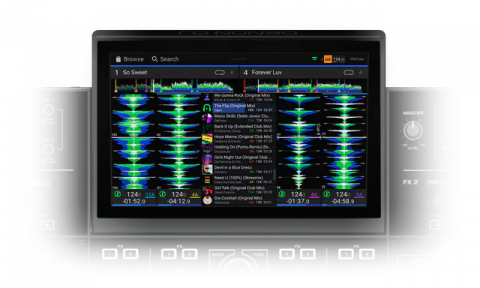
Engine DJ OS is designed around a defined hardware ecosystem. The official compatibility list includes these families and models:
RANE
- SYSTEM ONE
Denon DJ
- PRIME GO+, PRIME 4+
- SC LIVE 2, SC LIVE 4
- SC6000 PRIME, SC6000M PRIME, LC6000 PRIME
- PRIME 4, PRIME 2, PRIME GO
- SC5000 PRIME, SC5000M PRIME
Numark
- Mixstream Pro Go, Mixstream Pro+, Mixstream Pro
This ecosystem focus is part of Engine DJ’s identity: it’s less about “support every controller ever made” and more about building a deeply integrated standalone platform.